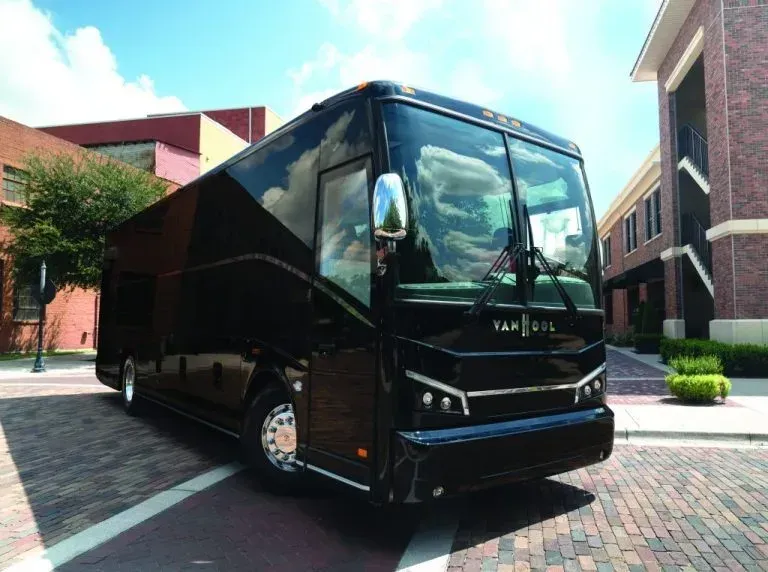
Coordinating transportation for a large group can quickly become a complex task when multiple schedules, pickup arrangements, and travel expectations are involved. Whether the event involves business gatherings, family functions, group activities, or special occasions, achieving timely arrivals for everyone calls for careful planning. A properly planned transportation approach helps minimize confusion, decrease delays, and provide a more enjoyable experience for all participants. By recognizing the essential aspects of group transportation management, organizers can develop a smooth travel experience from start to finish.
When sizeable groups travel collectively, transportation serves a purpose beyond merely moving passengers between destinations. It contributes meaningfully to the success of the overall experience. Proper coordination helps maintain schedules, improves communication among participants, and contributes to a more comfortable journey. At A1 Quality Express Limousine, we understand the importance of creating organized transportation solutions that help groups travel with confidence and convenience.
Plan Transportation Ahead of Time
Reliable group transportation starts with thoughtful preparation ahead of time. Leaving transportation planning too read more late may restrict options and complicate efforts to address specific group needs. Transportation planning should begin with confirming passenger totals, travel timelines, expected departure schedules, and destination requirements. Gathering this information early creates a solid foundation for making transportation arrangements that support the event's overall schedule.
Early preparation helps organizers identify possible challenges before they create disruptions. Traffic patterns, event schedules, pickup logistics, and passenger accessibility needs can all influence transportation plans. By addressing these details ahead of time, organizers can develop a transportation strategy that keeps the group moving efficiently. Extensive preparation typically helps create smoother transportation experiences and minimizes unexpected challenges.
Understand the Specific Size and Needs of the Group
An essential part of coordinating transportation involves understanding the group’s size and individual travel needs. Correct passenger totals help planners choose suitable vehicles while avoiding capacity-related issues. Organizers should determine attendance figures in advance and continue refining them as plans develop.
Passenger counts are important, but personal requirements within the group should also be considered. Travelers may have varying requirements, including extra luggage space or specialized support services. Understanding these details allows transportation arrangements to be customized accordingly. Taking the time to gather comprehensive information helps create a more comfortable and efficient experience for all passengers.
Create a Detailed Transportation Schedule
A precise transportation schedule provides direction for the entire group. Organizers should clearly list departure times, pickup locations, journey durations, arrival objectives, and planned route stops. A detailed itinerary reduces confusion and ensures everyone knows where and when they need to be. Strong consistency and clear planning are vital when organizing transportation for bigger groups.
Clear communication is essential for making transportation schedules successful. All group members should obtain transportation information in advance. Sharing itineraries through email, messaging platforms, or printed materials helps keep everyone informed. Well-defined expectations contribute to smoother and more efficient transportation execution.
Implement Central Pickup and Drop-Off Areas
Handling several pickup points can add unnecessary complications to large-group travel. When possible, coordinators should use unified pickup and drop-off points for participant convenience. Centralizing locations helps speed up boarding and minimizes delays caused by frequent stops. It simplifies communication processes and boosts overall coordination effectiveness.
Using centralized locations makes it easier to verify all passengers before leaving. Organizers can verify participants, communicate updates, and clarify details before the trip starts. An organized system helps ensure readiness and schedule adherence. Clear meeting points contribute significantly to a well-coordinated travel experience.
Prioritize Clear Communication Throughout the Process
Reliable communication is essential for successful transportation management. Group members should receive regular updates regarding schedules, pickup instructions, travel expectations, and any changes that may occur. Accurate communication reduces confusion and helps passengers prepare properly. Clear communication contributes to smoother operations and happier passengers.
Planners should implement dependable channels for sharing updates throughout the event. Group messaging systems, email notifications, and designated contact persons can help ensure information reaches all participants quickly. Throughout any effective transportation plan, communication acts as the central link keeping everyone aligned. Consistent updates help maintain confidence and minimize disruptions throughout the journey.
Anticipate Unforeseen Situations
No matter how detailed the plan, unexpected conditions may still arise. Weather issues, traffic delays, schedule changes, and participant lateness may require fast decisions. Building flexibility into transportation plans helps organizers respond effectively when unforeseen situations arise. Good preparation improves resilience during unexpected changes.
Backup communication systems, alternative routes, and assigned contacts should be part of contingency planning. Having clear processes reduces pressure and improves response organization. Anticipatory planning keeps operations effective even when changes occur.
Focus on Passenger Comfort and Convenience
Comfort significantly impacts how passengers experience transportation. Large groups frequently travel for long durations, making comfort and convenience essential. Comfort-focused arrangements help create a pleasant journey atmosphere. Comfortable travelers are more likely to enjoy the journey and arrive prepared.
Convenience enhances the effectiveness of transportation arrangements. Streamlined boarding, clear guidance, and structured timing minimize issues for travelers. Proper organization allows travelers to focus on the experience rather than planning details. A well-organized journey enhances the success of the entire event.
Partner with Skilled Transportation Experts
Coordinating transportation for large groups involves many moving parts, making professional support a valuable resource. Skilled transport professionals understand scheduling, passenger flow, and efficient operations. Professional experience helps ensure structured and dependable transportation planning.
Experienced teams offer insights that improve planning and execution. Familiarity with large-group travel allows professionals to foresee challenges and offer guidance. With professional help, organizers can focus on the event while logistics are managed with precision.
Include Transportation as an Event Component
Transportation functions best when integrated into the event experience. Well-organized travel allows participants to relax, interact, and enjoy the experience before arrival. Good coordination contributes positively to the event experience and creates a welcoming tone.
At A1 Quality Express Limousine, we know that successful transportation is built on planning, communication, and service excellence. Organizing large-group transportation does not need to be overwhelming when proper strategies are applied. Strong organization and preparation create smooth journeys that support event success. We are proud to provide seamless travel experiences that give passengers confidence and ease.